Table of Content
Be warned, basically, no store will give a discount or a trade when you harm a generator because of ill-advised generator estimating. One of the main reasons for this is that they don’t play out an intensive enough near value investigation. The purchasers who limit their hunt to the telephone directory, papers and driving around, quite often wind up paying excessively.
Check the manual for each one to figure out how many watts of power it uses while running. If you don’t have the manual, Homelite has a chart that can provide a rough estimate of how much power various gadgets use. Large generators, which only include standby generators, produce 10,000 watts or more. That’s enough to power an electric range or even a central air-conditioning system, along with everything else. The largest stationary models put out over 15,000 watts — enough to run an entire electric heating system.
Recreational Inverter
The first step to buying wisely is deciding how much power makes sense for you. First of all, place the generator in the place you want, taking into account all safety rules. Also, make sure it is well protected from rain or snow to avoid rusting or short circuits. First, make sure that all the cables you have chosen are perfectly suited for outdoor use and that they match the outlet you will be using. For example, if the outlet used is designed for 15 amperes, the appropriate cord is needed.

However, natural gas isn’t an option for portable generators, and it’s not practical if you don’t have natural gas service at home. According to the EIA, propane currently costs about $2 per gallon, which is cheaper than the average price per gallon for gasoline. Propane-burning portable generators tend to be a little bit pricier than gasoline-burning ones, but they also last longer and cost less to maintain. Standby generators crank out a lot more power than portable ones.
Picking the Right Wattage
In addition, it is great for charging devices and, in some cases, even supplying power to building tools. An easier way to calculate your wattage needs is to hire an electrician to conduct a load measurement. If you’ve ever endured a storm or hurricane which has resulted in apower outage, you know what a miserable experience it can be.
Dual-fueled generators run on both gas and propane, making them versatile machines. Keep in mind that propane is less expensive than gas and easier to store, so avoid buying a generator that only runs on gas. Generators provide alternate power from the regular electrical grid whenever that power is not available for a wide variety of reasons. If your area experiences outages frequently, you might want to plan financing for a larger standby generator. But if they’re less common, a more affordable portable generator may make more sense. If you don’t have a transfer switch, make sure you’re plugging your appliances into the generator properly.
How Much Power Do You Need
In addition, generators for home usually have several outlets for direct connection and themselves, too, can be connected to instruments and devices through ordinary sockets. Emergency Backup.Those for emergency backup power might need to be able to run for several days or even weeks. With a little knowledge and preparation, you can protect yourself, your home and your belongings during power outages of any duration. If you want your generator to be ready to go when the power grid goes down, you need to maintain it properly. The manual should provide details about taking care of your generator, but there are some basic guidelines everyone should follow.
LPG is cleaner and safer than petrol or diesel fuel, but these generators are more expensive. Still, petrol isn’t a good fuel source for people who live in cold-weather places and diesel is noisy and only effective when run at heavy loads. If you have not used the generator for a long time without draining the carburetor, there is a huge chance that it may be clogged with old gasoline.
Based On My Experiences...
You can add these items below to accurately reflect your homes specific backup power needs. A transfer switch only works with generators of 5,000 watts or more. It keeps the generator cut off from the electrical grid, preventing power surges that could damage the generator, fry your appliances, and endanger utility workers.
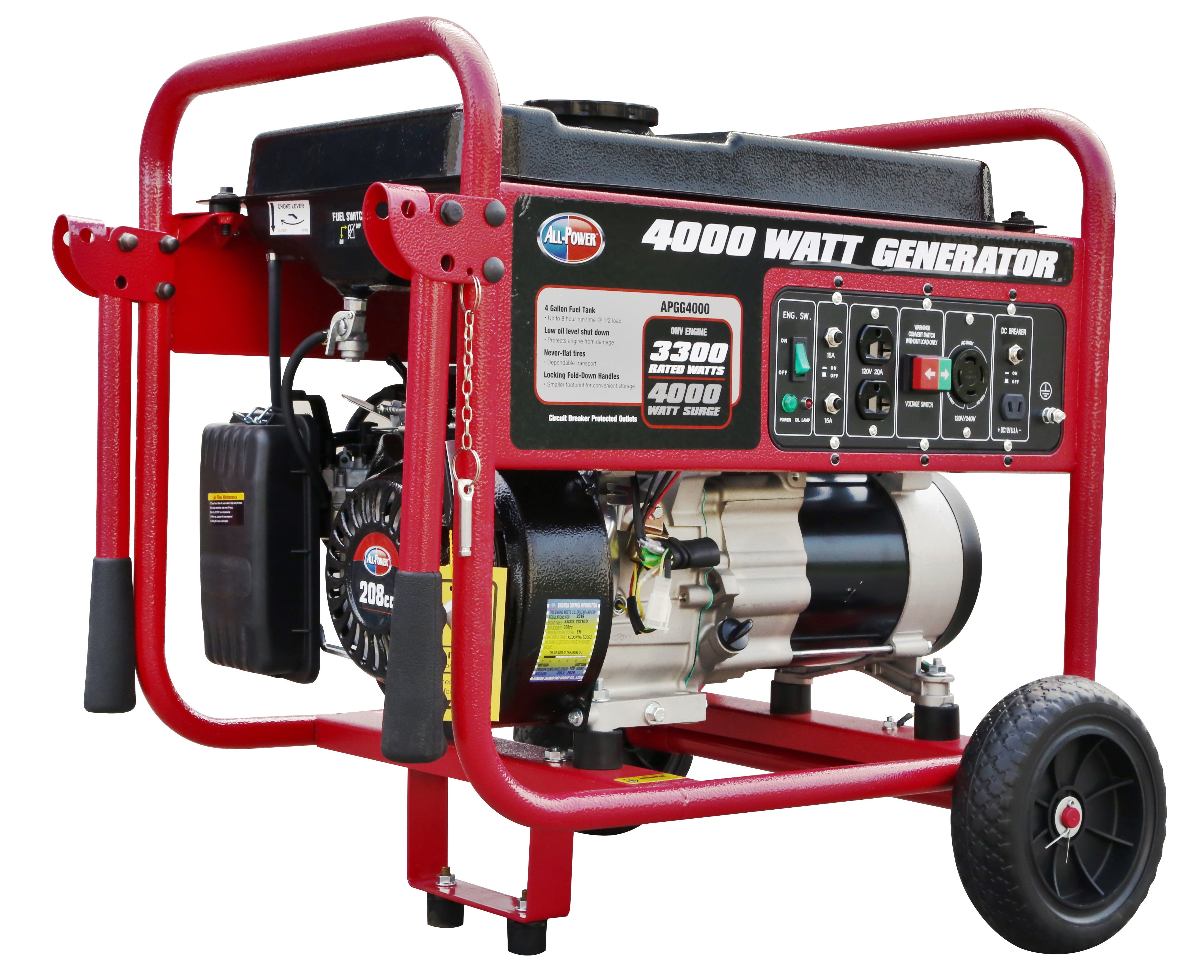
Operation of tools and equipment away from electrical outlets. Periodic maintenance of electrical appliances and hardware in homes and cottages that aren't connected to an electrical utility. Get a parallel connector to use 2 inverter generators at once. A parallel connection feature lets you combine 2 inverters to increase the amount of power you’re using. Best of all, since you’re combining 2 inverter generators, the noise level will not increase because both machines are run quietly.
With regards to generators for home use, on the off chance that you don’t get enough generator; it will cost you in a larger number of ways than one. If your primary objective is essential backup power protection for your home with no need for the quietest operation or variable engine speed. Remember, the more electricity you demand from your generator, the more fuel it'll burn though there's more to fuel consumption than just the amount of power you use. Select the type of generator that makes the most sense for you to identify the quality level of a generator, that matches your expectations. This article is the online version of what I explain to people when they ask me how to choose a generator wisely.
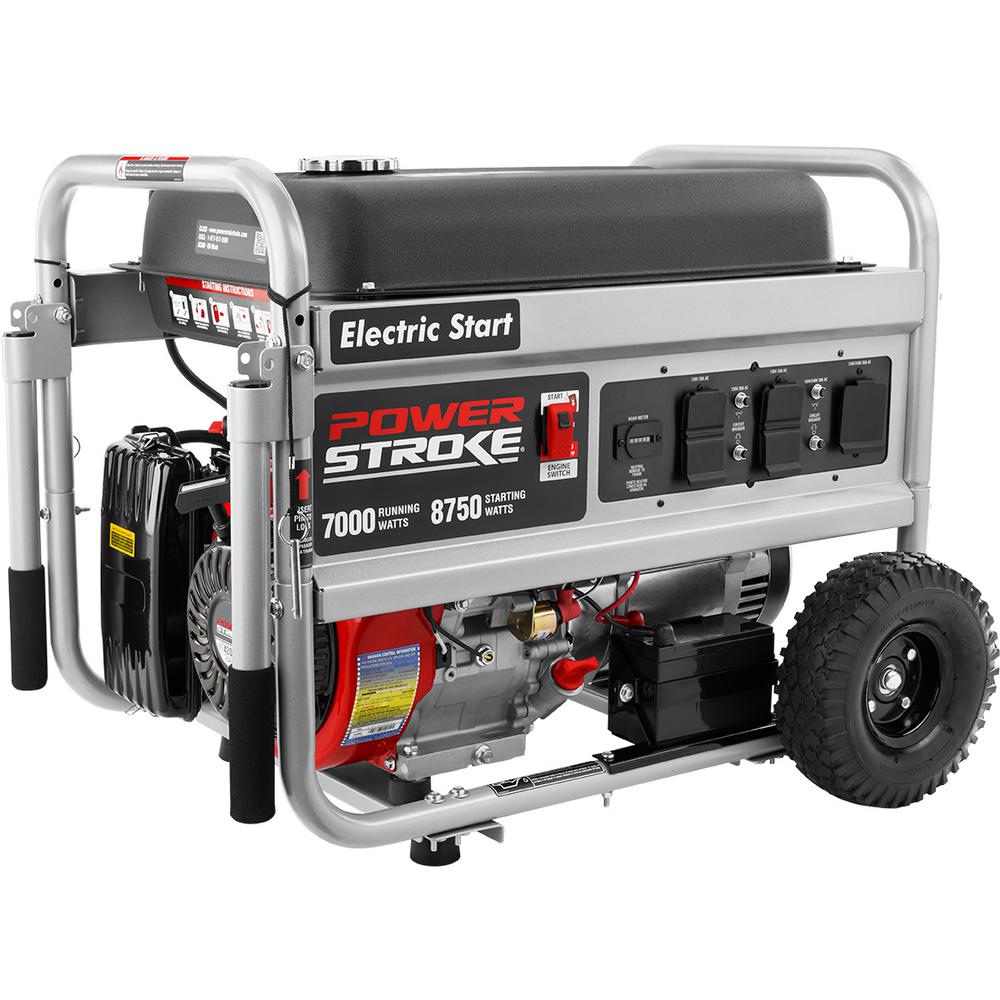
However, the most versatile models, known as dual-fuel generators, can run on either one. This feature adds about $100 to the cost of a generator, according to Portable Generator Grader. There are even tri-fuel generators that can run on gasoline, propane, or natural gas, but these are very rare. It should be noted, though, that connecting a portable generator to your home’s circuit breaker often costs as much as the generator itself. A recreational inverter is a reasonable choice if you are on the go, if your home rarely loses power or if you’re looking for something easy to store.
Since propane supplies 0.73 times as much energy per gallon as gasoline, that’s equivalent to about 16 to 28 gallons of propane. However, you probably don’t need to keep your generator running 24/7. Turning it on once every few hours could be enough to power your essential appliances, such as the fridge and freezer. Food and Drug Administration, food will typically stay cold for about four hours in an unopened refrigerator and around two days in a full, unopened freezer. You can store propane indefinitely, but gasoline needs to be fresh or the generator might not run properly. Experts recommend adding a fuel stabilizer, which keeps gasoline in cans good for up to a year.
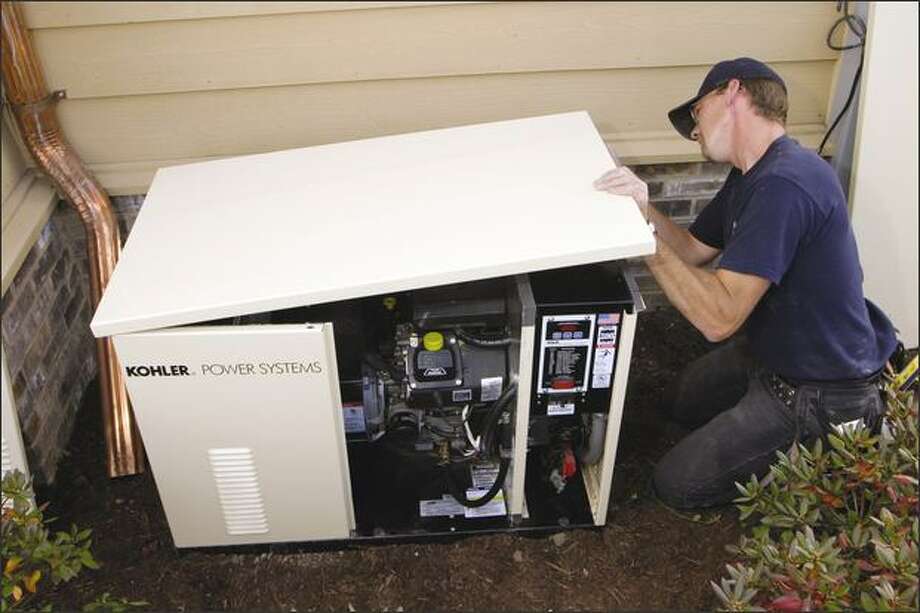
You don’t want to be out in the rain when a storm hits, fumbling in the dark with gas cans and power cords trying to figure out how to get the thing started. A generator that’s too small won’t meet your family’s power needs, but one that’s too big will cost more to buy and maintain. Sure, you can head to a big-box store and buy a generator right off the shelf. From what type of generator you need to who should install your generator, we chatted with professionals to help you make the right choices while staying safe. With hurricane season upon us, a backup generator for your home can provide peace of mind, but only if it's used safely.


